
Waterproofing Basements in Older Homes
People searching for waterproofing basements in older homes aim to prevent leaks and water damage, and local contractors can provide expert solutions to protect and stabilize their basements.
Homeowners with older properties often face unique challenges when it comes to maintaining a dry and stable basement. If your older home has experienced issues like dampness, water seepage, or uneven foundation conditions, exploring waterproofing options can be a practical step toward protecting your investment. Local contractors who specialize in waterproofing basements in older homes understand the specific needs of these properties and can provide solutions tailored to their construction and history. Keep reading to learn more about how professional waterproofing services can help preserve the integrity of your basement and prevent future water-related problems.
Understanding the importance of proper waterproofing is especially relevant for property owners in the area, where older homes are common. Water intrusion can lead to mold growth, structural deterioration, and increased repair costs over time. Fortunately, experienced service providers in the community offer a range of waterproofing techniques designed to address the unique conditions of older basements. By connecting with these local experts, homeowners can find effective ways to keep their basements dry and secure, ensuring their homes remain comfortable and protected for years to come.
- Waterproofing basements in older homes - homeowners noticing persistent dampness or leaks may seek local contractors experienced in addressing the unique challenges of aging foundations.
- Waterproofing basements in older homes - when foundation cracks or deterioration are evident, local service providers can evaluate and implement effective sealing and drainage solutions.
- Waterproofing basements in older homes - property owners planning renovations often turn to local pros to ensure the basement remains dry and structurally sound during updates.
- Waterproofing basements in older homes - after heavy rainfall or flooding, residents may need local contractors to assess and improve existing waterproofing measures.
- Waterproofing basements in older homes - homes with outdated or damaged waterproofing systems benefit from the expertise of local service providers to restore basement dryness.
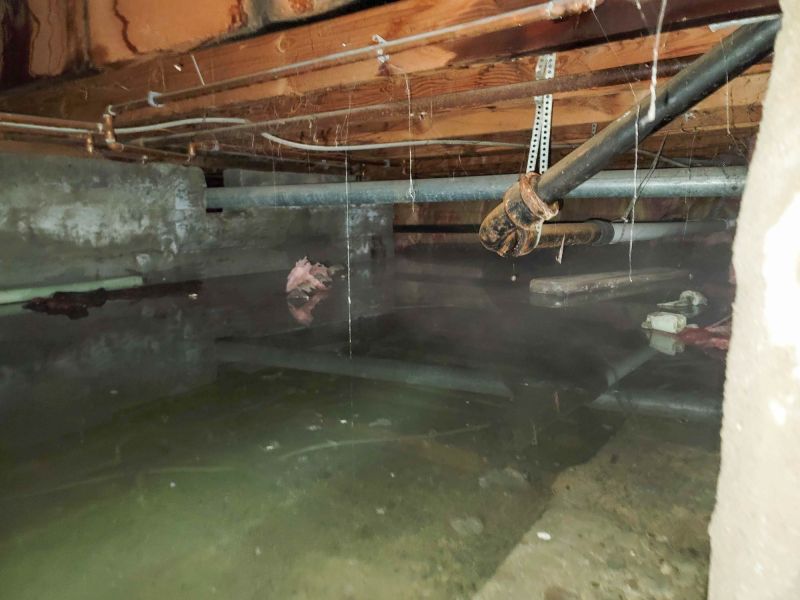
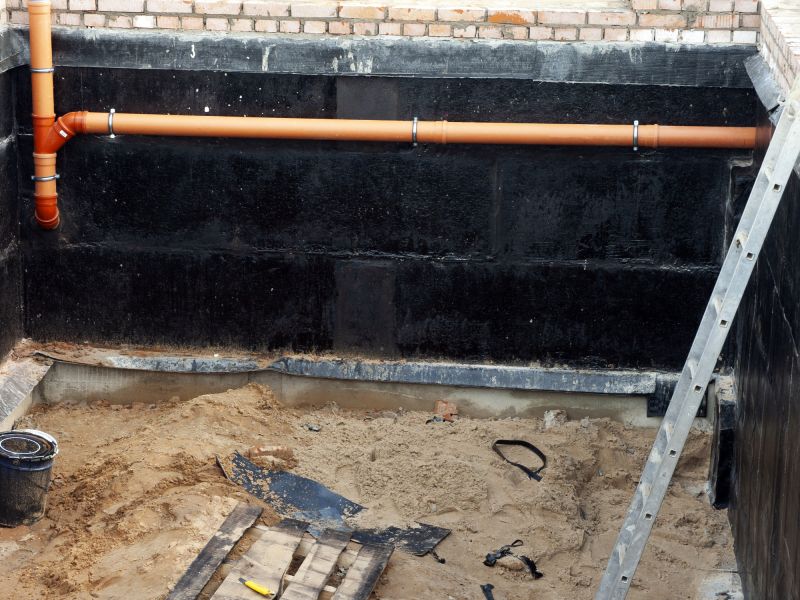
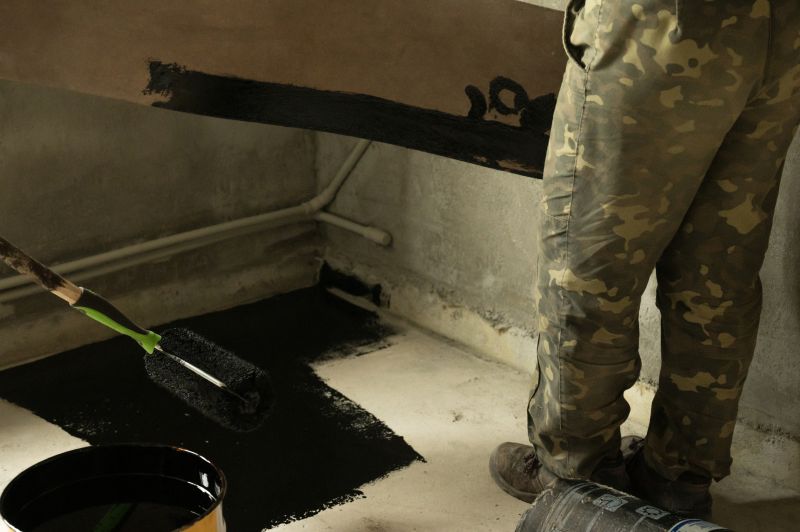
When people search for waterproofing basements in older homes, they are often looking for solutions to longstanding moisture issues that have become more noticeable over time. Many homeowners notice signs like damp walls, musty odors, or water stains after heavy rain or snowmelt. The focus is usually on preventing water from penetrating the foundation or seeping through existing cracks, which can lead to structural concerns or interior damage. This search often stems from a desire to protect the home’s foundation, improve indoor air quality, or prepare the space for future renovations or finishing projects.
The problems associated with older homes and basement waterproofing typically involve aging foundation materials, outdated drainage systems, or previous repairs that have failed over the years. Many older properties were built without modern waterproofing techniques, making them more vulnerable to water intrusion. Common plans include installing interior or exterior waterproofing systems, improving drainage around the foundation, or sealing cracks and gaps. These projects aim to create a dry, stable environment in the basement, reducing the risk of mold growth, wood rot, and other moisture-related issues that can compromise the home’s integrity.
Properties that often come up in discussions about waterproofing in older homes tend to be historic or long-established residences, especially those built before current building codes emphasized moisture control. These can include single-family houses, duplexes, or small apartment buildings with basements that have experienced persistent water problems. Many of these homes sit on uneven or poorly drained lots, which can exacerbate water pooling around the foundation. Service providers experienced in waterproofing older homes understand the unique challenges these properties present, such as fragile foundation materials or tight access points, and can tailor solutions accordingly.
Connecting with local contractors who specialize in basement waterproofing is essential for homeowners tackling issues in older homes. These professionals can assess the specific conditions of each property, identify the root causes of water intrusion, and recommend appropriate waterproofing strategies. Whether it’s installing sump pumps, applying sealants, or improving exterior drainage, experienced service providers bring practical expertise to ensure the basement remains dry and protected. For homeowners, finding the right local pros means gaining access to knowledgeable, reliable help that understands the nuances of waterproofing older homes and can deliver effective, long-lasting results.
Foundation Repair - foundation repair projects often involve assessing and addressing structural issues similar to waterproofing in older homes, requiring expertise in soil and moisture management.
Drainage System Installation - installing or upgrading drainage systems is closely related, as both services focus on directing water away from the foundation to prevent water intrusion and damage.
Basement Finishing - basement finishing projects often require waterproofing to ensure a dry, usable space, making the skills and planning involved similar to waterproofing basements.
Crawl Space Encapsulation - encapsulation involves sealing and moisture control techniques that overlap with waterproofing methods used in older homes’ basements.
Masonry and Wall Repair - repairing or restoring basement walls shares skills in assessing structural integrity and managing moisture infiltration common in waterproofing projects.
Water Damage Restoration - restoring areas affected by water intrusion involves understanding moisture barriers and waterproofing principles similar to those used in basement waterproofing in older homes.
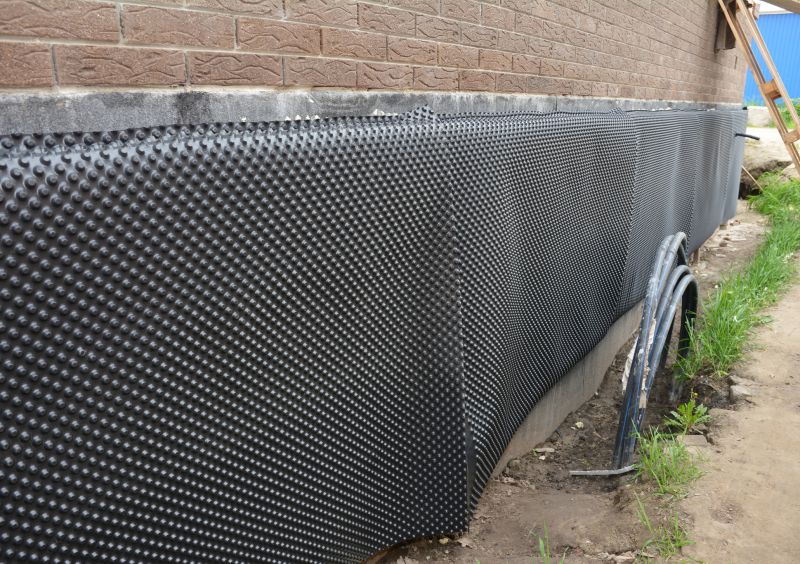
When evaluating service providers for waterproofing basements in older homes, it is essential to consider their experience with similar projects. Older homes often present unique challenges, such as outdated foundation materials or existing structural issues, which require specialized knowledge and skills. Homeowners should inquire about the contractors’ past work on comparable properties to ensure they understand the specific needs of older structures and can recommend appropriate waterproofing solutions that address these complexities effectively.
Clear and detailed written expectations are a critical component of choosing a reliable basement waterproofing service. A reputable contractor will provide a comprehensive plan that outlines the scope of work, materials to be used, and the methods involved in the waterproofing process. Having this information in writing helps prevent misunderstandings and ensures that both parties are aligned on the project’s goals. Homeowners should seek clarity on what the service includes, how potential issues will be handled, and what the expected outcomes are, fostering transparency and confidence in the process.
Good communication and reputable references are vital indicators of a trustworthy service provider. Homeowners are encouraged to ask for references from previous clients, especially those who had similar basement waterproofing needs. Listening to firsthand accounts can reveal insights into the contractor’s professionalism, reliability, and ability to complete projects on time. Additionally, a contractor’s responsiveness during initial discussions can reflect their commitment to customer service. Effective communication ensures that homeowners remain informed throughout the project, helping to address concerns promptly and facilitating a smoother experience overall.
Property owners often search for waterproofing basements in older homes when they are planning practical projects around their homes and businesses. Local pros provide Basement Waterproofing services for everyday jobs and straightforward project options.
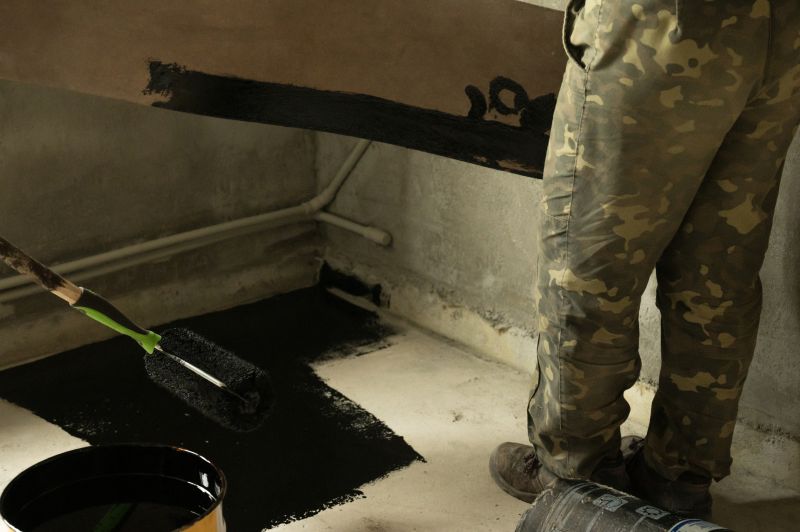
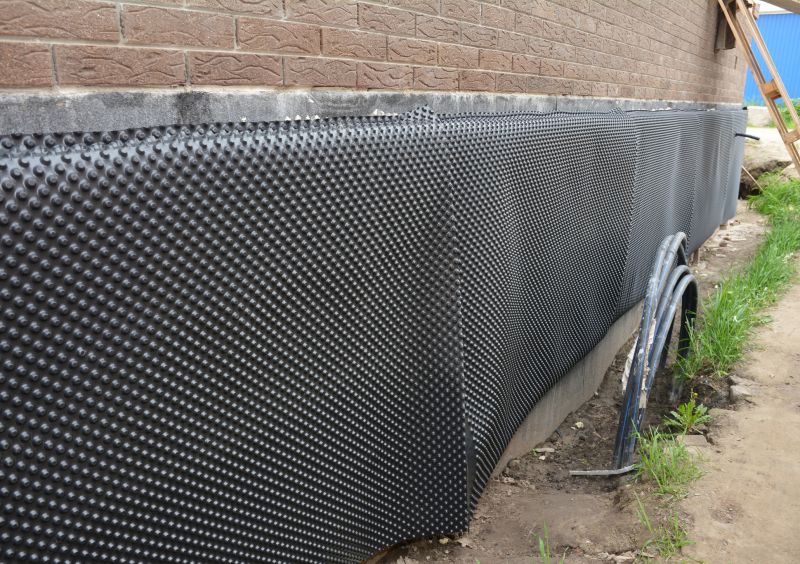
Homeowners exploring waterproofing basements in older homes often experience issues like damp walls, musty odors, or visible water stains after heavy rain. These everyday situations can lead property owners to seek solutions that prevent future water intrusion and protect the structural integrity of their homes. Local contractors who specialize in basement waterproofing can assess existing conditions, recommend appropriate measures, and install reliable systems designed to keep basements dry and comfortable.
Many property owners turn to local service providers when they notice signs of water leakage or suspect potential vulnerabilities in their basement walls and floors. Older homes may have outdated or compromised waterproofing barriers, making professional intervention a practical choice. Connecting with experienced contractors can help ensure that waterproofing solutions are tailored to the specific needs of older structures, providing peace of mind and safeguarding the home against ongoing moisture problems.
What are common waterproofing methods for older homes' basements? Local contractors often use techniques such as interior sealants, exterior drainage improvements, and sump pump installations to address waterproofing in older homes' basements.
Can waterproofing solutions be effective in older homes with existing structural issues? Yes, experienced service providers can assess and implement waterproofing strategies that accommodate structural concerns while preventing water intrusion.
What signs indicate a basement in an older home needs waterproofing? Signs include persistent dampness, efflorescence on walls, mold growth, or water stains, which local pros can evaluate to recommend appropriate waterproofing measures.
Are there specific challenges when waterproofing basements in older homes? Challenges may include dealing with outdated foundation materials, existing cracks, or limited space, which local contractors are equipped to handle during waterproofing projects.
How do local service providers determine the best waterproofing approach for older homes? They typically perform a thorough inspection of the basement, consider the home's history and condition, and recommend tailored waterproofing solutions based on their assessment.
Assessing basement moisture issues - property owners can identify common signs of water intrusion and discuss these concerns with local contractors to determine the best waterproofing solutions.
Choosing appropriate waterproofing methods - homeowners can explore options like interior sealants or exterior barriers with local service providers to address specific needs of older homes.
Preparing for waterproofing projects - property owners can clear basements and ensure proper drainage around the foundation before scheduled work by local contractors.
Maintaining waterproofing systems - regular inspections and minor repairs can be coordinated with local pros to keep basement waterproofing effective over time.
If you are thinking about waterproofing basements in older homes for a property, this guide is meant to help you understand this topic, the typical project types, and how different options might fit your plans.
When you are ready, you can use the quote form on this page to share a few details about your project. From there, local pros can review the basics and follow up with options that match what you have in mind.
